
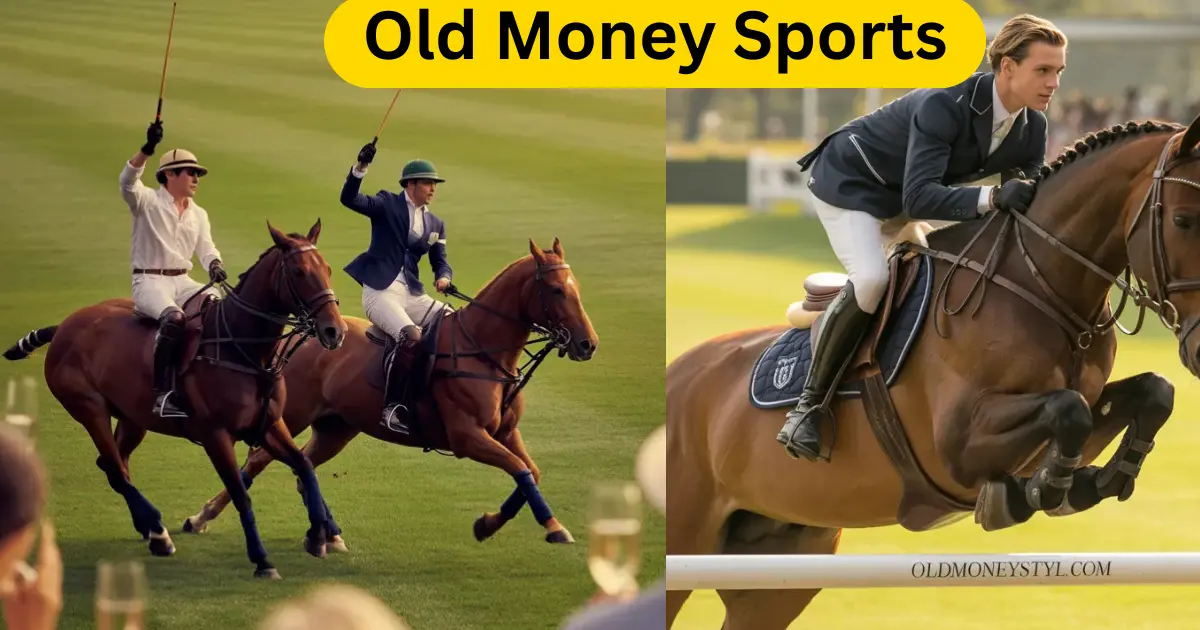
old money sports polo,golf and equestrian sport
Facebook
Twitter
WhatsApp
Pinterest

13 Old Money Sports Prestige Ranking That Rich Families Love

Old money sports are more than just games; they are symbols of heritage, sophistication, and social status. As some of the most iconic Old Money hobbies, they represent a lifestyle built on tradition and refinement. From the thunder of polo ponies to the crisp elegance of Wimbledon tennis courts, these sports reflect centuries of aristocratic tradition. They are not just pastimes, they are gateways to elite circles, showcasing wealth, prestige, and timeless style.

In my experience, attending a private polo tournament or yachting regatta feels like stepping into high society itself. Every detail, from dress codes to etiquette, communicates lineage and refinement.

YOU MAY ALSO LIKE: OLD MONEY LIFESTYLE WITH QUITE LUXUARY

Introduction to Old Money Sports

When we talk about old money sports, we mean athletic pursuits historically associated with wealthy families, European aristocracy, and high society. These sports are typically exclusive, require significant resources, and are steeped in tradition. Unlike recreational sports, old money sports carry a social dimension as important as the competition itself. In many ways, they reflect the same spirit as classic rich people activities, experiences defined by exclusivity, etiquette, and long-standing heritage. They are cultural cornerstones shaping both lifestyle and status.

I’ve noticed that the appeal isn’t just the game itself; it’s the experience. Champagne picnics at polo matches or the etiquette of golf clubs are integral parts of the activity. The history, prestige, and cost of participation make these sports fascinating windows into high-class leisure.

Key Characteristics of Old Money Sports

Tradition and Heritage

Old money sports are defined by their long-standing history. Polo, for example, originated in ancient Persia and was adapted by British colonizers, eventually earning the title “Sport of Kings”. Golf began in 15th-century Scotland and became a symbol of gentlemanly conduct. Equestrian sports evolved from the training of cavalry and theroyal courts. These sports carry centuries of tradition and are tied to royal or elite patronage.

Cost and Exclusivity

The costs of old-money sports are high, reinforcing their exclusivity. Typical expenses include:

Polo

  • Polo pony: $50,000–$200,000
  • Annual maintenance: $20,000+
  • Equipment: $5,000–$10,000
  • Club membership and training: $10,000+

Golf

  • Club membership initiation: $20,000–$60,000
  • Annual dues: $5,000–$20,000
  • Equipment: $1,500–$5,000
  • Private coaching: $100–$500 per session

Equestrian

  • Horse purchase: $10,000–$100,000
  • Boarding and training: $12,000–$50,000
  • Competition fees: $1,000–$10,000
  • Equipment: $2,000+

Sailing/Yachting

  • Yacht purchase: $50,000–$5 million+
  • Maintenance and crew: $20,000–$200,000
  • Club membership and regatta fees: $5,000–$50,000

The high costs act as a social filter, allowing only those with sufficient means to participate.

Etiquette and Social Status

Etiquette is crucial. Polo players wear tailored jackets and boots, tennis players adhere to traditional whites, and golf clubs enforce behavioral rules. Attending these events signals social literacy and refinement. I’ve seen private regattas where even the seating arrangements reflected hierarchy. Skill matters, but so does knowing how to behave.

Old Money Sports Ranked

1. Polo: The Sport of Kings

History: Polo originated as Chovgan in Persia and became popular among British elites in the 19th century.

Why it’s old money: Polo combines athleticism with social networking. Spectators enjoy champagne, designer outfits, and high-profile mingling.

Cost: Polo ponies cost $50,000–$200,000, plus $20,000+ yearly maintenance. Equipment and training add thousands more.

Luxury Brand Sponsors: Ralph Lauren Polo, Cartier, Veuve Clicquot
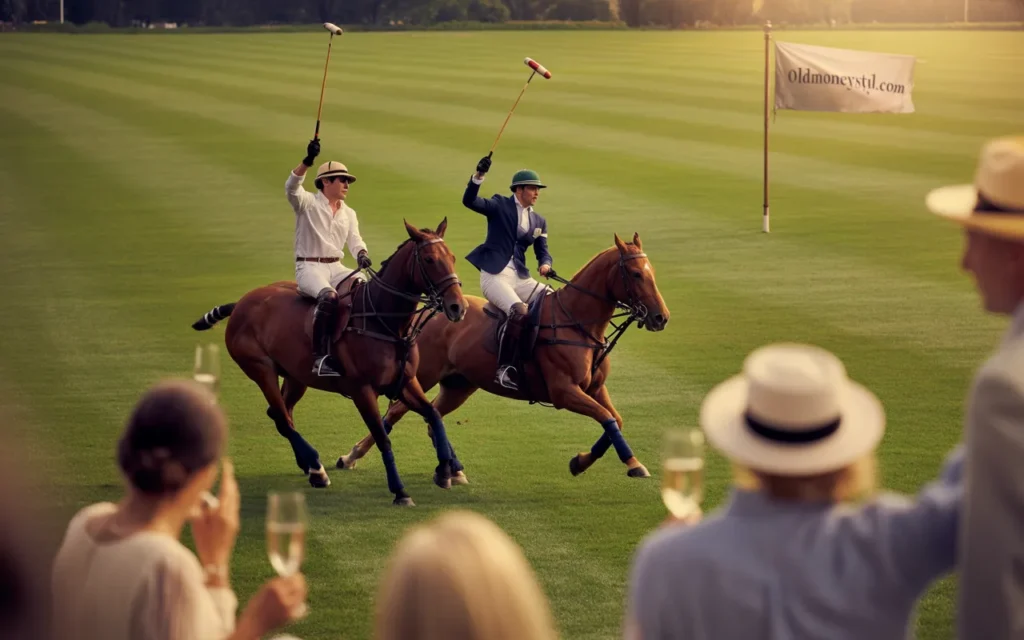
old money sports polo game

2. Golf: The Gentleman’s Game

History: 15th-century Scotland, refined by royal patronage.

Why it’s old money: Golf is a game of skill and leisure, where networking is as important as swings.

Cost: Club membership $20,000–$60,000; annual dues $5,000–$20,000; equipment $1,500–$5,000.

Luxury Brand Sponsors: Rolex, Callaway, Titleist
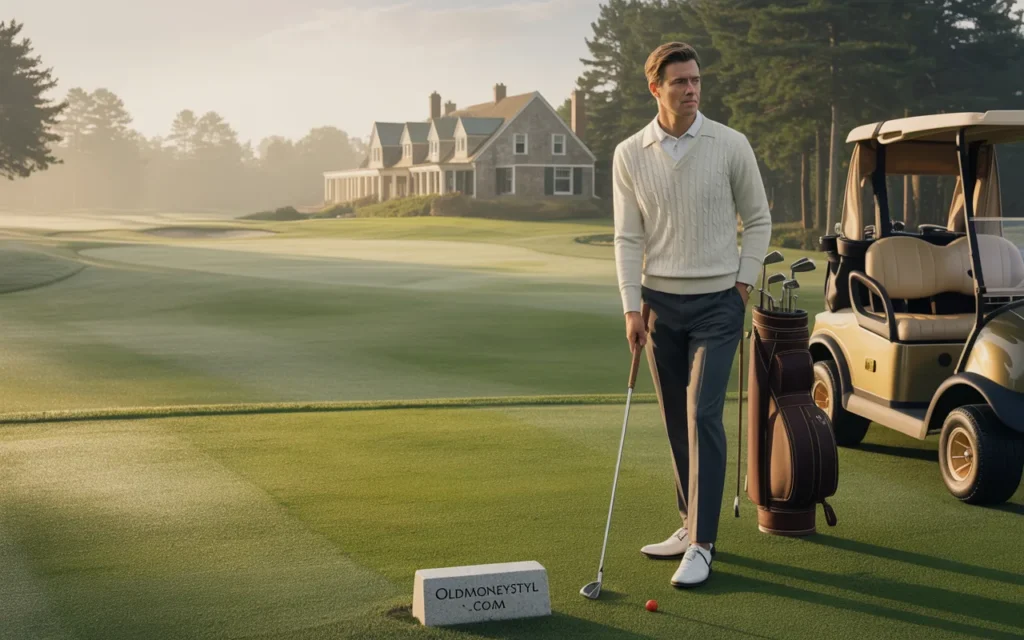
old money Golf sport: The Gentleman’s Game

3. Equestrian Sports

History: Derived from cavalry training and royal leisure.

Why it’s old money: Owning and competing with horses signals wealth and prestige.

Cost: Horse purchase $10,000–$100,000; training and boarding $12,000–$50,000; competition fees $1,000–$10,000.

Luxury Brand Sponsors: Hermès, Gucci, Longines
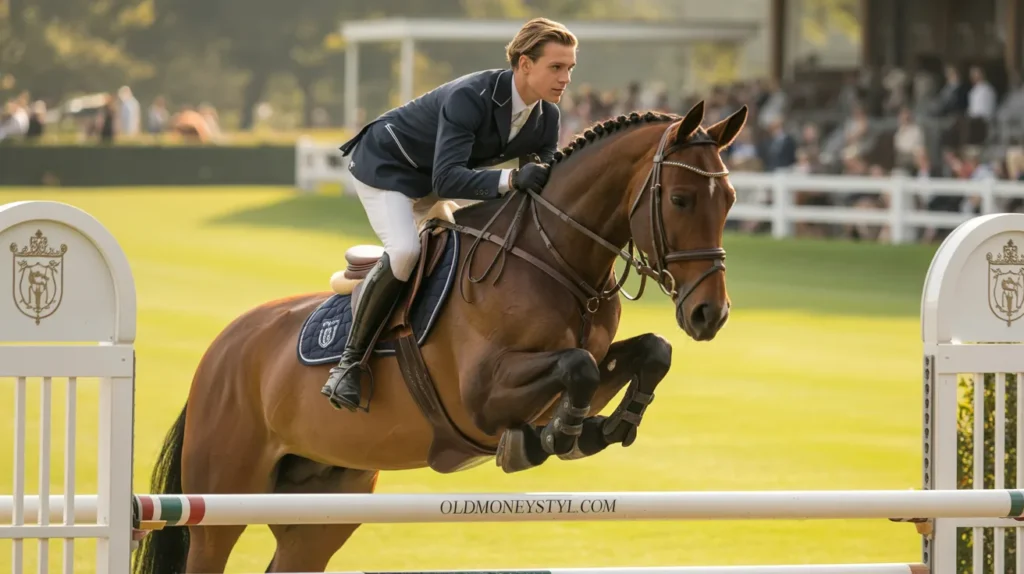
old money sports Equestrian sport

4. Sailing and Yachting

History: European naval training and aristocratic leisure.

Why it’s old money: Yacht ownership signals lifestyle and wealth. Regattas combine sport and networking.

Cost: Yacht $50,000–$5 million; maintenance $20,000–$200,000; event fees $5,000–$50,000.

Luxury Brand Sponsors: Louis Vuitton, Loro Piana, Rolex
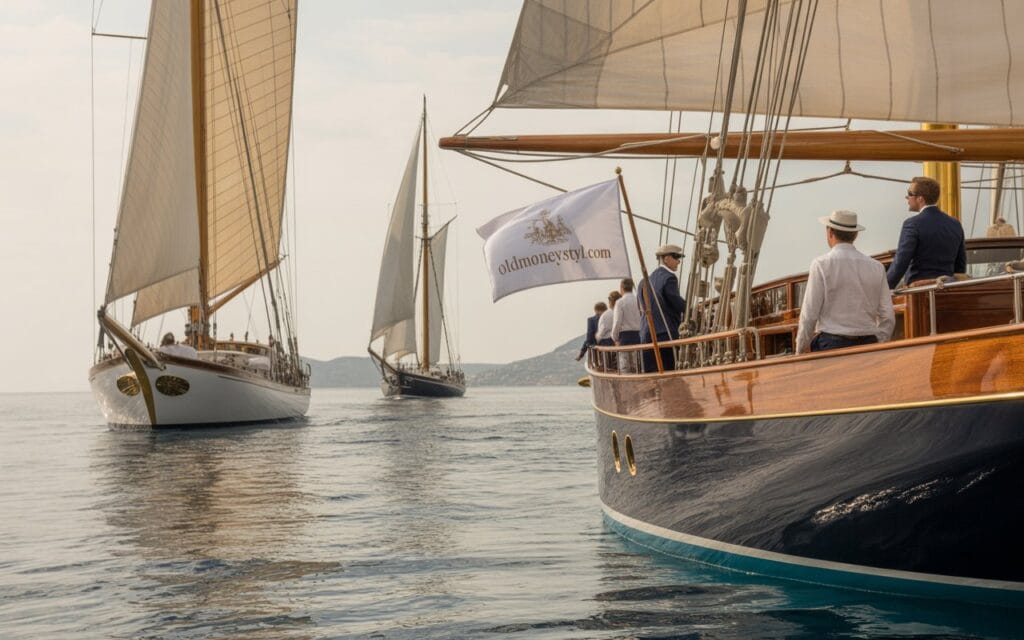
Old money yacht sports

5. Tennis: The White Sport

History: 19th-century England; tied to private clubs and universities.

Why it’s old money: Tennis emphasizes etiquette and style; elite tournaments uphold tradition.

Cost: Club membership $5,000–$20,000; private coaching $50–$300/session; equipment $500–$2,000/year.

Luxury Brand Sponsors: Lacoste, Patek Philippe, Ralph Lauren
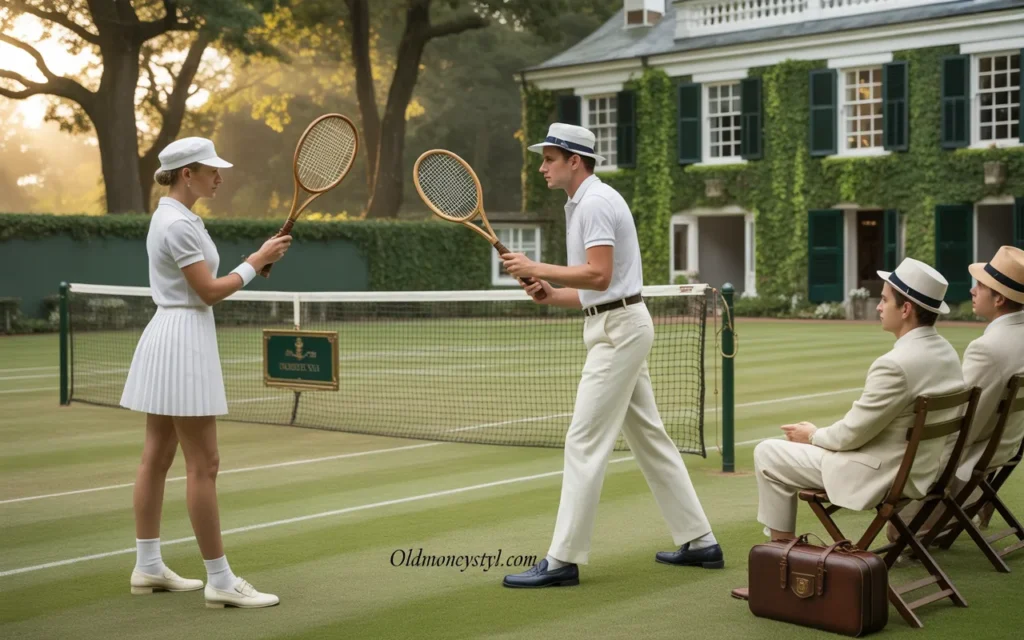
old money Tennis sport

6. Fencing: The Noble Art

Fencing represents old-world nobility, skill, and precision.

History of Fencing: Born from European dueling traditions, fencing was part of aristocratic education. It became an Olympic sport in 1896.

Why Fencing is Old Money:

  • Taught in elite schools
  • Requires private coaching
  • Historically connected to nobles and military officers

Cost to Participate:

  • Coaching: $50–$100/hour
  • Club membership: $100–$300/month
  • Equipment: $300–$1,000

Luxury Brand Sponsors: Leon Paul, Adidas
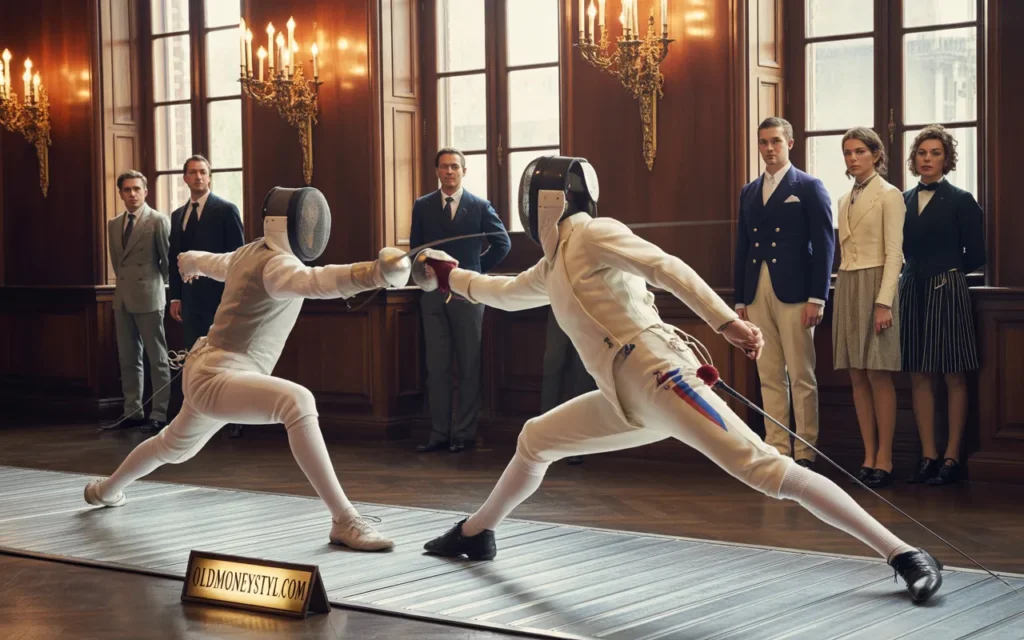
old money Fencing sport

7. Skiing

Skiing blends adventure with luxurious mountain resort culture.

History of Skiing: Originally a Scandinavian survival method, skiing became a winter vacation sport for wealthy families in Europe and the U.S.

Why Skiing is Old Money:

  • Elite ski resorts (Aspen, St. Moritz, Vail)
  • Exclusive ski clubs
  • High equipment and travel costs

Cost to Ski:

  • Season pass: $800–$2,500
  • Gear: $1,000+
  • Lodging: $300–$1,000/night

Luxury Brand Sponsors: Moncler, Bogner, Rossignol
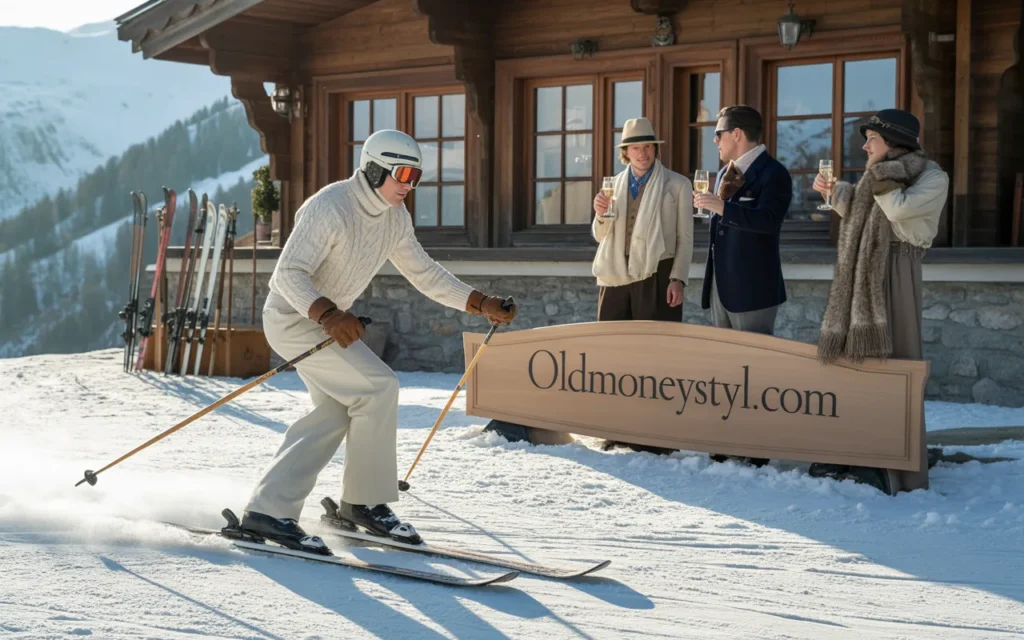
Old money skiing game with a men play ski sports

8. Rowing / Crew

Rowing is heavily tied to Ivy League tradition and historic British universities.

History of Rowing: Oxford and Cambridge popularized rowing in the 1800s, followed by Harvard, Yale, Princeton, and other elite institutions.

Why Rowing is Old Money:

  • Private school dominance
  • Elite university programs
  • Long-standing tradition of prestige

Cost to Participate:

  • Club membership: $300–$1,000/year
  • Equipment maintenance: high for teams
  • Travel for regattas

Luxury Brand Sponsors: Henley Royal Regatta partners, Filippi, Brooks England
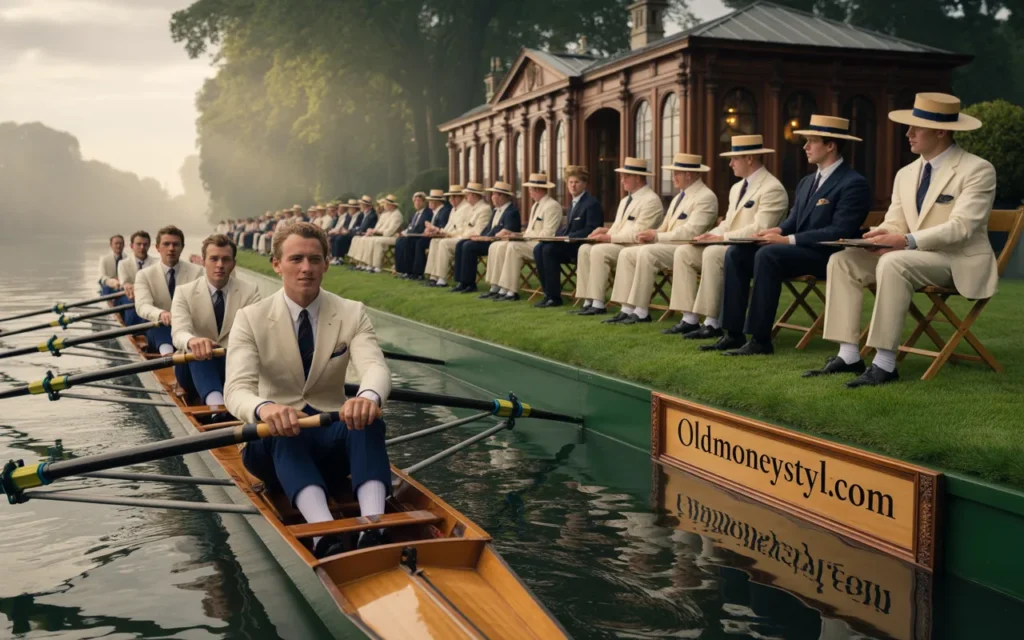
Old Money Rowing sports play in us

9. Hunting

A classic old-money activity tied to land ownership and aristocratic tradition.

History of Hunting: European nobles reserved hunting grounds for royalty and upper classes. The tradition was passed to wealthy American families.

Why Hunting is Old Money:

  • Requires land or access to private estates
  • Expensive gear
  • Strong tradition among generational wealth families

Cost of Hunting:

  • Land ownership or access fees
  • Equipment: thousands
  • Hunting trips: $2,000–$20,000+

Luxury Brand Sponsors: Purdey, Barbour, Beretta
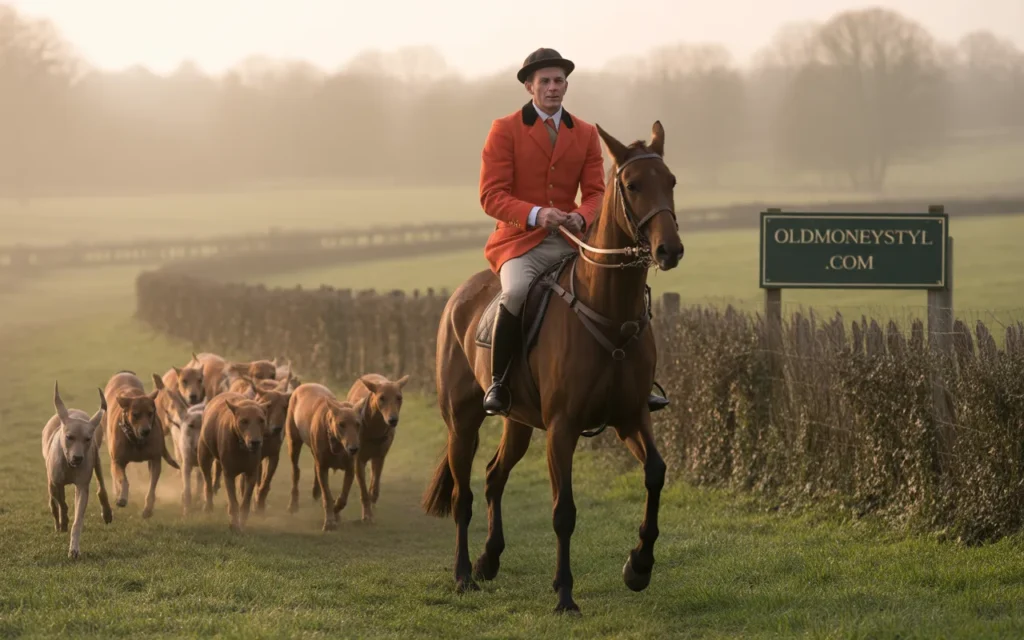
A men Hunting with dogs perfect example of old money sports

10. Lacrosse

Once a Native American sport, lacrosse became a favorite of East Coast prep schools and elite colleges.

History of Lacrosse: Adopted into private schools in the early 1900s, it became a symbol of upper-class athletic identity.

Why Lacrosse is Old Money:

  • Strong association with private prep schools
  • Dominance in elite universities
  • High equipment and club fees

Cost to Play Lacrosse:

  • Equipment: $300–$700
  • Club team fees: $2,000–$5,000
  • Camps and clinics: expensive

Luxury Brand Sponsors: STX, Warrior, Nike
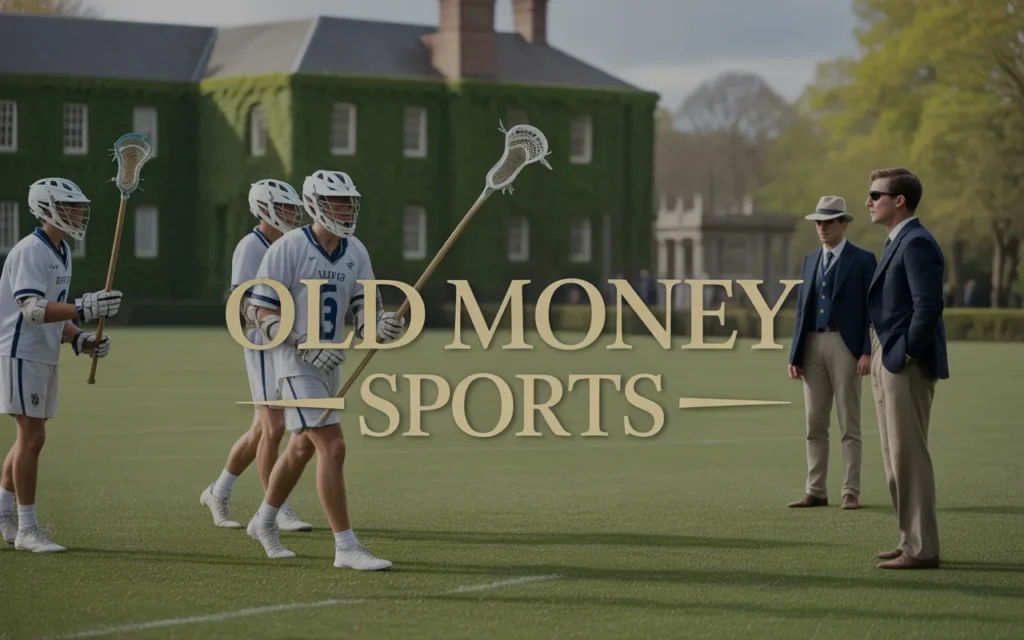
old money Lacrosse sport play in London

11. Horse Racing / Car Racing

Both sports highlight luxury, speed, and elite ownership.

History and Prestige: Horse racing dates back to ancient civilizations, but became a European aristocratic obsession. Car racing rose with wealthy industrial families in the early 1900s.

Why It’s Old Money:

  • Owning a racehorse or race car is extremely expensive
  • Events attract global elites
  • Sponsorship deals reinforce luxury

Cost to Participate:

  • Racehorse: $30,000–$200,000+
  • Training and care: $30,000 yearly
  • Car racing: millions

Luxury Brand Sponsors: Aston Martin, Ferrari, Breitling, Louis Vuitton
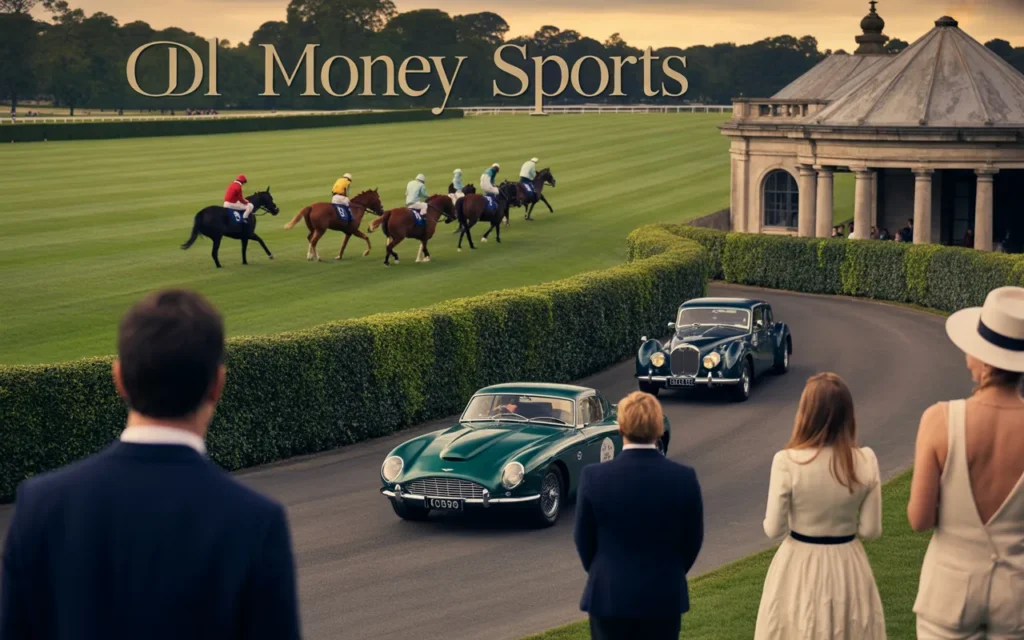
old money horse and car racing.

12. Croquet

A traditional British lawn game tied to country estates.

Classic British Lawn Sport: Croquet became popular among Victorian elites and later American aristocracy.

Old Money Significance:

  • Played at country estates
  • Tied to refined leisure and social gatherings
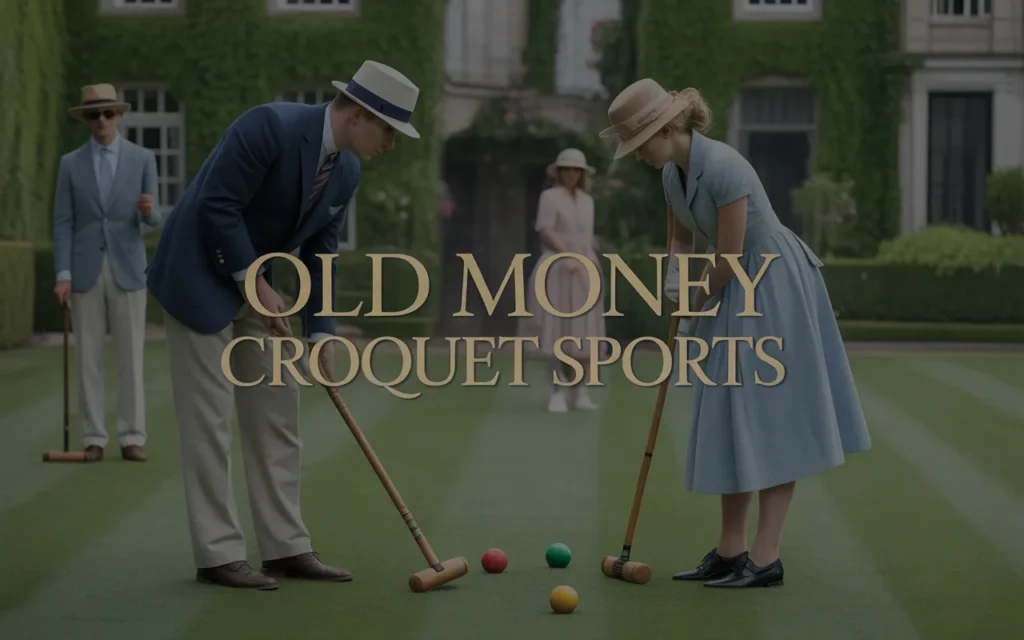
Men and women play a game old money Croquet sport

13. Squash

A sport deeply connected to private clubs and Ivy League schools.

Private Club Favorite: Squash courts are typically found in:

  • Country clubs
  • Ivy League schools
  • High-end athletic clubs

Elite Appeal: Its fast pace and strategic nature make it a status sport among professionals.
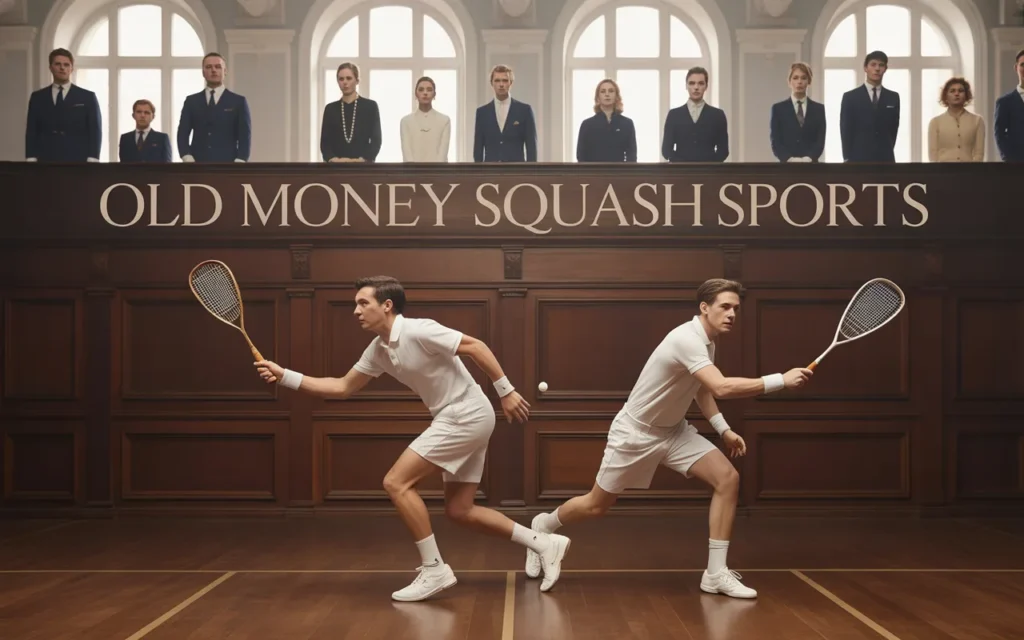
Match paly in us with two teams old money Squash sport

Why Old Money Families Prefer These Sports

Old money families value tradition, exclusivity, and networking. Sports are a way to maintain identity, heritage, and influence. Beyond physical activity, participation demonstrates social literacy and refinement.

The Modern Evolution of Old Money Sports

While traditions remain, many sports have evolved. Polo tournaments are televised globally, yachts are eco-conscious, and luxury brands sponsor events. The core values heritage, prestige, and exclusivity still define these sports.

Famous Personalities in Old Money Sports

Notables include Prince Charles (polo), Tiger Woods (golf), Zara Tindall (equestrian), and socialites at Wimbledon or regattas. Participation highlights skill, lifestyle, and social standing.

How to Get Into Old Money Sports Today

Entering these sports requires more than money: knowledge of etiquette, social networking, and tradition is key. Private lessons, club memberships, and attending high-profile events help newcomers. Respect for history remains essential.

Old Money Sports Fashion and Style

Fashion is integral to old-money sports outfits: polo jackets, tennis whites, and golf attire signal status and tradition. Brands like Ralph Lauren, Hermès, Lacoste, and Moncler seamlessly blend function with luxury, reinforcing an aristocratic aesthetic.

Conclusion

Old-money sports are living traditions blending history, luxury, and prestige. Polo, golf, equestrian sports, sailing, and tennis represent cultural cornerstones, aristocratic pastimes, and gateways to elite social circles. Experiencing these sports offers a glimpse into a lifestyle where elegance, heritage, and sophistication converge as timeless symbols of wealth and refinement.

FAQs

What is the most old money sport?

Polo is known as the Sport of Kings.

What sports are uppeclass?

Golf, equestrian sports, sailing, tennis, fencing, and polo.

What are some old sports?

Polo, croquet, fencing, hunting, rowing, and lacrosse.

What is the sport most rich people play?

 Polo, golf, equestrian sports, and yachting.

What are the top 5 most expensive sports?

Polo, equestrian sports, sailing/yachting, golf at elite clubs, and horse/car racing

What are luxury sports?

 Exclusive activities tied to wealth, prestige, and elite social circles, like polo, yachting, and private club golf.

 

Old money sports are more than just games; they are symbols of heritage, sophistication, and social status. As some of the most iconic Old Money hobbies, they represent a lifestyle built on tradition and refinement. From the thunder of polo ponies to the crisp elegance of Wimbledon tennis courts, these sports reflect centuries of aristocratic tradition. They are not just pastimes, they are gateways to elite circles, showcasing wealth, prestige, and timeless style.

In my experience, attending a private polo tournament or yachting regatta feels like stepping into high society itself. Every detail, from dress codes to etiquette, communicates lineage and refinement.

YOU MAY ALSO LIKE: OLD MONEY LIFESTYLE WITH QUITE LUXUARY

Introduction to Old Money Sports

When we talk about old money sports, we mean athletic pursuits historically associated with wealthy families, European aristocracy, and high society. These sports are typically exclusive, require significant resources, and are steeped in tradition. Unlike recreational sports, old money sports carry a social dimension as important as the competition itself. In many ways, they reflect the same spirit as classic rich people activities, experiences defined by exclusivity, etiquette, and long-standing heritage. They are cultural cornerstones shaping both lifestyle and status.

I’ve noticed that the appeal isn’t just the game itself; it’s the experience. Champagne picnics at polo matches or the etiquette of golf clubs are integral parts of the activity. The history, prestige, and cost of participation make these sports fascinating windows into high-class leisure.

Key Characteristics of Old Money Sports

Tradition and Heritage

Old money sports are defined by their long-standing history. Polo, for example, originated in ancient Persia and was adapted by British colonizers, eventually earning the title “Sport of Kings”. Golf began in 15th-century Scotland and became a symbol of gentlemanly conduct. Equestrian sports evolved from the training of cavalry and theroyal courts. These sports carry centuries of tradition and are tied to royal or elite patronage.

Cost and Exclusivity

The costs of old-money sports are high, reinforcing their exclusivity. Typical expenses include:

Polo

  • Polo pony: $50,000–$200,000
  • Annual maintenance: $20,000+
  • Equipment: $5,000–$10,000
  • Club membership and training: $10,000+

Golf

  • Club membership initiation: $20,000–$60,000
  • Annual dues: $5,000–$20,000
  • Equipment: $1,500–$5,000
  • Private coaching: $100–$500 per session

Equestrian

  • Horse purchase: $10,000–$100,000
  • Boarding and training: $12,000–$50,000
  • Competition fees: $1,000–$10,000
  • Equipment: $2,000+

Sailing/Yachting

  • Yacht purchase: $50,000–$5 million+
  • Maintenance and crew: $20,000–$200,000
  • Club membership and regatta fees: $5,000–$50,000

The high costs act as a social filter, allowing only those with sufficient means to participate.

Etiquette and Social Status

Etiquette is crucial. Polo players wear tailored jackets and boots, tennis players adhere to traditional whites, and golf clubs enforce behavioral rules. Attending these events signals social literacy and refinement. I’ve seen private regattas where even the seating arrangements reflected hierarchy. Skill matters, but so does knowing how to behave.

Old Money Sports Ranked

1. Polo: The Sport of Kings

History: Polo originated as Chovgan in Persia and became popular among British elites in the 19th century.

Why it’s old money: Polo combines athleticism with social networking. Spectators enjoy champagne, designer outfits, and high-profile mingling.

Cost: Polo ponies cost $50,000–$200,000, plus $20,000+ yearly maintenance. Equipment and training add thousands more.

Luxury Brand Sponsors: Ralph Lauren Polo, Cartier, Veuve Clicquot

old money sports polo game

2. Golf: The Gentleman’s Game

History: 15th-century Scotland, refined by royal patronage.

Why it’s old money: Golf is a game of skill and leisure, where networking is as important as swings.

Cost: Club membership $20,000–$60,000; annual dues $5,000–$20,000; equipment $1,500–$5,000.

Luxury Brand Sponsors: Rolex, Callaway, Titleist

old money Golf sport: The Gentleman’s Game

3. Equestrian Sports

History: Derived from cavalry training and royal leisure.

Why it’s old money: Owning and competing with horses signals wealth and prestige.

Cost: Horse purchase $10,000–$100,000; training and boarding $12,000–$50,000; competition fees $1,000–$10,000.

Luxury Brand Sponsors: Hermès, Gucci, Longines

old money sports Equestrian sport

4. Sailing and Yachting

History: European naval training and aristocratic leisure.

Why it’s old money: Yacht ownership signals lifestyle and wealth. Regattas combine sport and networking.

Cost: Yacht $50,000–$5 million; maintenance $20,000–$200,000; event fees $5,000–$50,000.

Luxury Brand Sponsors: Louis Vuitton, Loro Piana, Rolex

Old money yacht sports

5. Tennis: The White Sport

History: 19th-century England; tied to private clubs and universities.

Why it’s old money: Tennis emphasizes etiquette and style; elite tournaments uphold tradition.

Cost: Club membership $5,000–$20,000; private coaching $50–$300/session; equipment $500–$2,000/year.

Luxury Brand Sponsors: Lacoste, Patek Philippe, Ralph Lauren

old money Tennis sport

6. Fencing: The Noble Art

Fencing represents old-world nobility, skill, and precision.

History of Fencing: Born from European dueling traditions, fencing was part of aristocratic education. It became an Olympic sport in 1896.

Why Fencing is Old Money:

  • Taught in elite schools
  • Requires private coaching
  • Historically connected to nobles and military officers

Cost to Participate:

  • Coaching: $50–$100/hour
  • Club membership: $100–$300/month
  • Equipment: $300–$1,000

Luxury Brand Sponsors: Leon Paul, Adidas

old money Fencing sport

7. Skiing

Skiing blends adventure with luxurious mountain resort culture.

History of Skiing: Originally a Scandinavian survival method, skiing became a winter vacation sport for wealthy families in Europe and the U.S.

Why Skiing is Old Money:

  • Elite ski resorts (Aspen, St. Moritz, Vail)
  • Exclusive ski clubs
  • High equipment and travel costs

Cost to Ski:

  • Season pass: $800–$2,500
  • Gear: $1,000+
  • Lodging: $300–$1,000/night

Luxury Brand Sponsors: Moncler, Bogner, Rossignol

Old money skiing game with a men play ski sports

8. Rowing / Crew

Rowing is heavily tied to Ivy League tradition and historic British universities.

History of Rowing: Oxford and Cambridge popularized rowing in the 1800s, followed by Harvard, Yale, Princeton, and other elite institutions.

Why Rowing is Old Money:

  • Private school dominance
  • Elite university programs
  • Long-standing tradition of prestige

Cost to Participate:

  • Club membership: $300–$1,000/year
  • Equipment maintenance: high for teams
  • Travel for regattas

Luxury Brand Sponsors: Henley Royal Regatta partners, Filippi, Brooks England

Old Money Rowing sports play in us

9. Hunting

A classic old-money activity tied to land ownership and aristocratic tradition.

History of Hunting: European nobles reserved hunting grounds for royalty and upper classes. The tradition was passed to wealthy American families.

Why Hunting is Old Money:

  • Requires land or access to private estates
  • Expensive gear
  • Strong tradition among generational wealth families

Cost of Hunting:

  • Land ownership or access fees
  • Equipment: thousands
  • Hunting trips: $2,000–$20,000+

Luxury Brand Sponsors: Purdey, Barbour, Beretta

A men Hunting with dogs perfect example of old money sports

10. Lacrosse

Once a Native American sport, lacrosse became a favorite of East Coast prep schools and elite colleges.

History of Lacrosse: Adopted into private schools in the early 1900s, it became a symbol of upper-class athletic identity.

Why Lacrosse is Old Money:

  • Strong association with private prep schools
  • Dominance in elite universities
  • High equipment and club fees

Cost to Play Lacrosse:

  • Equipment: $300–$700
  • Club team fees: $2,000–$5,000
  • Camps and clinics: expensive

Luxury Brand Sponsors: STX, Warrior, Nike

old money Lacrosse sport play in London

11. Horse Racing / Car Racing

Both sports highlight luxury, speed, and elite ownership.

History and Prestige: Horse racing dates back to ancient civilizations, but became a European aristocratic obsession. Car racing rose with wealthy industrial families in the early 1900s.

Why It’s Old Money:

  • Owning a racehorse or race car is extremely expensive
  • Events attract global elites
  • Sponsorship deals reinforce luxury

Cost to Participate:

  • Racehorse: $30,000–$200,000+
  • Training and care: $30,000 yearly
  • Car racing: millions

Luxury Brand Sponsors: Aston Martin, Ferrari, Breitling, Louis Vuitton

old money horse and car racing.

12. Croquet

A traditional British lawn game tied to country estates.

Classic British Lawn Sport: Croquet became popular among Victorian elites and later American aristocracy.

Old Money Significance:

  • Played at country estates
  • Tied to refined leisure and social gatherings
Men and women play a game old money Croquet sport

13. Squash

A sport deeply connected to private clubs and Ivy League schools.

Private Club Favorite: Squash courts are typically found in:

  • Country clubs
  • Ivy League schools
  • High-end athletic clubs

Elite Appeal: Its fast pace and strategic nature make it a status sport among professionals.

Match paly in us with two teams old money Squash sport

Why Old Money Families Prefer These Sports

Old money families value tradition, exclusivity, and networking. Sports are a way to maintain identity, heritage, and influence. Beyond physical activity, participation demonstrates social literacy and refinement.

The Modern Evolution of Old Money Sports

While traditions remain, many sports have evolved. Polo tournaments are televised globally, yachts are eco-conscious, and luxury brands sponsor events. The core values heritage, prestige, and exclusivity still define these sports.

Famous Personalities in Old Money Sports

Notables include Prince Charles (polo), Tiger Woods (golf), Zara Tindall (equestrian), and socialites at Wimbledon or regattas. Participation highlights skill, lifestyle, and social standing.

How to Get Into Old Money Sports Today

Entering these sports requires more than money: knowledge of etiquette, social networking, and tradition is key. Private lessons, club memberships, and attending high-profile events help newcomers. Respect for history remains essential.

Old Money Sports Fashion and Style

Fashion is integral to old-money sports outfits: polo jackets, tennis whites, and golf attire signal status and tradition. Brands like Ralph Lauren, Hermès, Lacoste, and Moncler seamlessly blend function with luxury, reinforcing an aristocratic aesthetic.

Conclusion

Old-money sports are living traditions blending history, luxury, and prestige. Polo, golf, equestrian sports, sailing, and tennis represent cultural cornerstones, aristocratic pastimes, and gateways to elite social circles. Experiencing these sports offers a glimpse into a lifestyle where elegance, heritage, and sophistication converge as timeless symbols of wealth and refinement.

FAQs

What is the most old money sport?

Polo is known as the Sport of Kings.

What sports are uppeclass?

Golf, equestrian sports, sailing, tennis, fencing, and polo.

What are some old sports?

Polo, croquet, fencing, hunting, rowing, and lacrosse.

What is the sport most rich people play?

 Polo, golf, equestrian sports, and yachting.

What are the top 5 most expensive sports?

Polo, equestrian sports, sailing/yachting, golf at elite clubs, and horse/car racing

What are luxury sports?

 Exclusive activities tied to wealth, prestige, and elite social circles, like polo, yachting, and private club golf.


Trending Posts

Quiet Luxury Nails That Look Elegant and Expensive
Quiet luxury nails are minimalist, polished manicures that focus on neutral...
Read More
Old Money Nude Nails Guide Elegant Luxury Nail Ideas 2026
Old Money Nude Nails are minimalist, luxury-inspired manicures that use...
Read More
35 Old Money Nail Colors for an Elegant, Expensive Look
There’s a reason old money nail colors have completely taken over beauty...
Read More
Clean Girl Nails - The Ultimate Guide to Minimal, Glossy & Quiet Luxury Nails (2026 Trends)
Introduction The rise of clean girl nails has completely reshaped modern...
Read More
Rich Girl Nails - 45 Elegant & Expensive-Looking Nail Ideas 2026
Rich girl nails are elegant, minimalist manicures designed to look polished,...
Read More
35 Old Money Wedding Nails for a Timeless Bridal Look
There’s something timeless about a bridal manicure that feels effortless...
Read More
7 Old Money Almond Nail Ideas for a Classy Quiet Luxury Look
Old money almond nails are everywhere right now, from Pinterest mood boards...
Read More
16 Old Money French Tip Nails That Look Classy, Elegant, and Expensive in 2026
Introduction There’s something about Old Money French Tip Nails that...
Read More
Old Money Sandals – Timeless Luxury Footwear Guide
Old Money Sandals are the epitome of quiet luxury and understated style....
Read More
Old Money Bedroom Interior Design Ideas
An old money bedroom is more than a design trend. It’s a mindset. It reflects...
Read More
Scroll to Top